
Exploring the Benefits of Precision CNC Machining
- PMC Power
- Sep 29, 2025
- 4 min read
Precision machining has revolutionized the manufacturing industry by enabling the production of highly accurate and complex parts. This technology is essential in sectors ranging from aerospace to medical devices, where exact specifications are critical. Understanding the benefits of precision machining can help businesses and engineers make informed decisions about their manufacturing processes.
What is Precision Machining?
Precision machining refers to the process of removing material from a workpiece to create a part with very tight tolerances and exact dimensions. This is typically achieved using computer-controlled machines that follow detailed digital designs. The goal is to produce parts that fit perfectly and function reliably in their intended applications.
Unlike traditional machining, precision machining uses advanced tools and software to minimize errors and improve repeatability. This results in parts that meet stringent quality standards and reduce the need for rework or adjustments.
Key Features of Precision Machining
High accuracy: Tolerances can be as tight as a few microns.
Complex geometries: Ability to create intricate shapes and fine details.
Consistency: Each part produced is nearly identical to the last.
Material versatility: Works with metals, plastics, composites, and more.
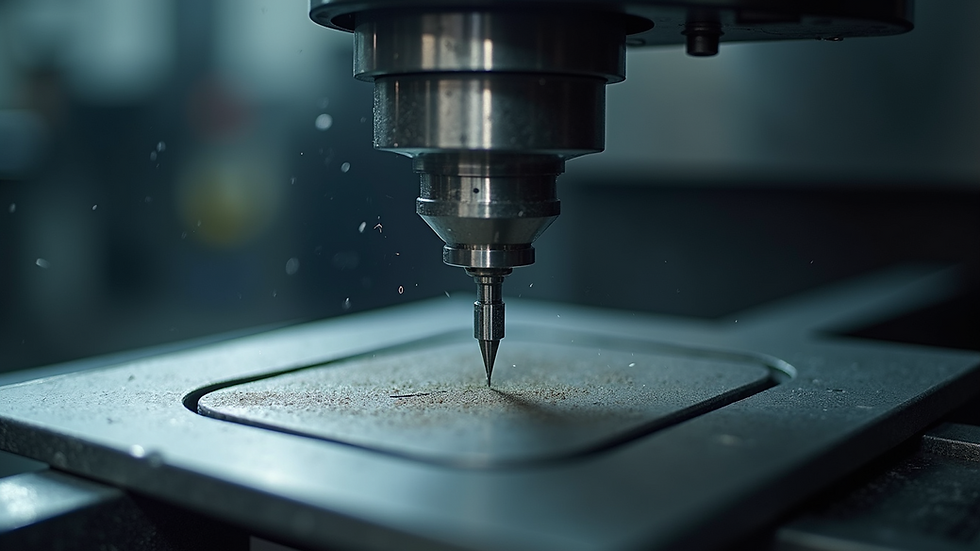
Advantages of Precision Machining in Manufacturing
Precision machining offers numerous benefits that improve product quality, reduce costs, and speed up production. Here are some of the most significant advantages:
1. Enhanced Product Quality
Precision machining ensures that parts meet exact specifications, which is crucial for performance and safety. For example, in the aerospace industry, even minor deviations can lead to failures. Precision machining reduces the risk of defects and improves the overall reliability of components.
2. Cost Efficiency
Although the initial investment in precision machining equipment can be high, the long-term savings are substantial. Accurate parts reduce waste and minimize the need for costly rework. Additionally, faster production times mean quicker turnaround and lower labor costs.
3. Flexibility and Customization
Precision machining allows manufacturers to produce custom parts tailored to specific needs. This is especially valuable for prototyping and small batch production where unique designs are required. The ability to quickly adjust machine settings also supports rapid design changes.
4. Material Optimization
By precisely controlling the cutting process, precision machining minimizes material waste. This is important when working with expensive materials like titanium or specialty alloys. Efficient material use contributes to sustainability and cost savings.
5. Integration with Advanced Technologies
Modern precision machining often incorporates automation, robotics, and real-time monitoring. These technologies enhance accuracy and reduce human error. For instance, integrating sensors can detect tool wear and automatically adjust parameters to maintain quality.

Is CNC Difficult to Learn?
Many people wonder if learning CNC (Computer Numerical Control) machining is challenging. The answer depends on your background and the complexity of the machines you want to operate.
Basic CNC Skills
For beginners, learning the fundamentals of CNC programming and operation is quite manageable. Many training programs and online courses provide step-by-step instructions on how to read blueprints, write simple G-code, and operate CNC machines safely.
Advanced Techniques
Mastering advanced CNC machining techniques, such as multi-axis programming or working with complex materials, requires more experience and practice. However, with dedication and proper training, these skills are attainable.
Practical Tips for Learning CNC
Start with simulation software: This allows you to practice programming without using actual machines.
Take formal courses: Community colleges and technical schools often offer CNC training.
Gain hands-on experience: Working alongside experienced machinists accelerates learning.
Use online resources: Forums, tutorials, and videos can supplement your education.
Learning CNC machining opens up many career opportunities and is a valuable skill in modern manufacturing.
Applications of Precision Machining Across Industries
Precision machining is used in a wide range of industries due to its ability to produce high-quality, reliable parts. Here are some notable examples:
Aerospace
Aircraft components require extreme precision to ensure safety and performance. Precision machining is used to manufacture engine parts, landing gear components, and structural elements.
Medical Devices
Surgical instruments, implants, and diagnostic equipment often involve complex shapes and tight tolerances. Precision machining ensures these parts meet strict regulatory standards.
Automotive
From engine blocks to transmission parts, precision machining helps improve vehicle efficiency and durability. It also supports the production of custom and prototype parts.
Electronics
Small, intricate components for electronic devices are often produced using precision machining. This includes connectors, housings, and heat sinks.
Energy Sector
Precision machining is critical for producing parts used in oil and gas exploration, renewable energy systems, and power generation equipment.

How to Choose the Right Precision Machining Partner
Selecting the right precision machining provider is essential for achieving the best results. Here are some factors to consider:
Experience and Expertise
Look for companies with a proven track record in your industry. Experienced machinists understand the nuances of different materials and applications.
Technology and Equipment
Ensure the provider uses up-to-date CNC machines and software. Advanced equipment can handle complex jobs more efficiently.
Quality Assurance
Check if the company follows strict quality control processes, including inspections and certifications. This guarantees parts meet your specifications.
Communication and Support
A good machining partner should offer clear communication and be responsive to your needs. Collaboration is key to successful projects.
Cost and Lead Time
Compare quotes and turnaround times from multiple providers. Balance cost with quality to find the best value.
For those interested in exploring precision machining services, cnc machining offers a comprehensive range of solutions tailored to various industries.
Embracing the Future of Precision Machining
The future of precision machining looks promising with ongoing advancements in technology. Innovations such as artificial intelligence, machine learning, and additive manufacturing are being integrated to enhance capabilities.
Smart Manufacturing
The rise of Industry 4.0 means machines are becoming smarter and more connected. Real-time data analytics help optimize machining processes and predict maintenance needs.
Hybrid Manufacturing
Combining precision machining with 3D printing allows for greater design freedom and faster production cycles. This hybrid approach is gaining traction in prototyping and complex part manufacturing.
Sustainability
Efforts to reduce environmental impact are driving the development of more efficient machining techniques and the use of eco-friendly materials.
By staying informed about these trends, manufacturers can leverage precision machining to remain competitive and innovative.
Precision machining is a cornerstone of modern manufacturing, offering unmatched accuracy, efficiency, and versatility. Whether producing aerospace components or medical devices, the benefits of this technology are clear. Investing in precision machining capabilities or partnering with experienced providers can lead to superior products and business success.


Comments