
Maximizing Efficiency with Precision CNC Machining
- PMC Power
- Aug 22, 2025
- 4 min read
In today's competitive manufacturing landscape, efficiency and accuracy are paramount. Precision machining techniques have revolutionized the way components are produced, enabling industries to achieve higher quality, faster turnaround times, and reduced waste. By leveraging advanced technology and meticulous processes, manufacturers can optimize their operations and meet the demanding standards of modern production.
Understanding Precision Machining Techniques
Precision machining techniques refer to the methods used to shape and finish materials with extreme accuracy. These techniques involve the use of computer-controlled tools and machines that can produce parts with tight tolerances and intricate details. Common processes include milling, turning, drilling, and grinding, all performed with a focus on minimizing errors and maximizing repeatability.
For example, in aerospace manufacturing, precision machining ensures that engine components fit perfectly and perform reliably under extreme conditions. Similarly, in medical device production, these techniques guarantee that implants and surgical tools meet strict safety and performance standards.
Some key benefits of precision machining techniques include:
Improved product quality: Consistent and accurate parts reduce defects.
Faster production cycles: Automated processes speed up manufacturing.
Material savings: Precise cuts minimize waste.
Flexibility: Ability to work with a wide range of materials, including metals, plastics, and composites.
What does CNC mean in machining?
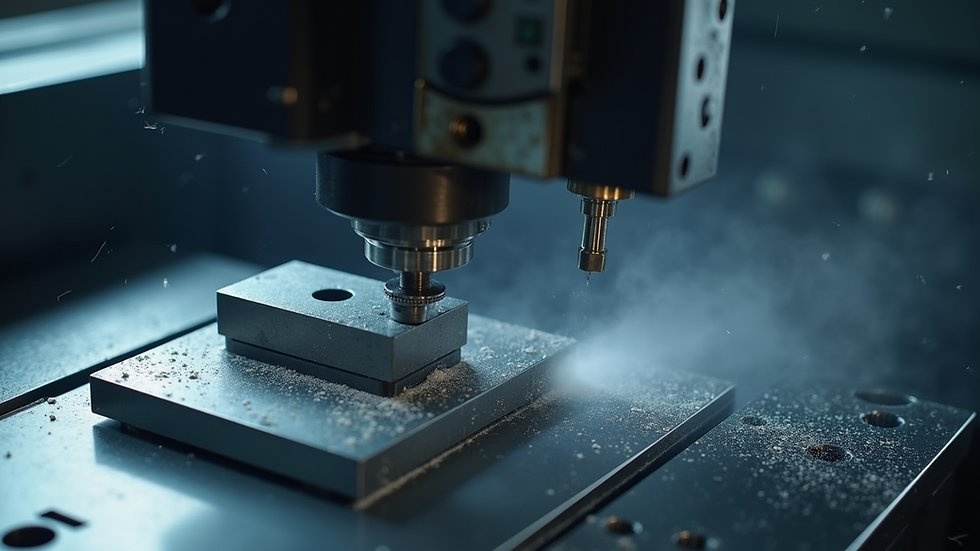
CNC stands for Computer Numerical Control. It is a technology that automates the control of machining tools through computer programming. Instead of manually operating machines, CNC systems use coded instructions to guide the movement of tools with high precision.
This automation allows for:
Repeatability: Machines can produce identical parts consistently.
Complex designs: CNC can handle intricate shapes that are difficult to achieve manually.
Reduced human error: Programming minimizes mistakes during production.
Increased productivity: Machines can operate continuously with minimal supervision.
For instance, a CNC lathe can turn a metal rod into a complex gear with exact dimensions, while a CNC router can carve detailed patterns into wood or plastic. The integration of CNC technology is a cornerstone of modern precision machining techniques.

Enhancing Efficiency with Advanced Precision Machining
Maximizing efficiency in manufacturing requires more than just accurate machines. It involves optimizing every step of the process, from design to final inspection. Here are some actionable strategies to enhance efficiency using precision machining techniques:
Design for Manufacturability
Collaborate with engineers to create designs that are easier to machine. Simplify complex features where possible and select materials that machine well.
Use High-Quality Tooling
Invest in durable cutting tools that maintain sharpness longer. This reduces downtime for tool changes and improves surface finish.
Implement Automation and Robotics
Automate material handling and loading to reduce manual labor and speed up production cycles.
Regular Maintenance and Calibration
Keep machines in optimal condition to prevent breakdowns and maintain accuracy.
Leverage Software for Simulation and Optimization
Use CAM (Computer-Aided Manufacturing) software to simulate machining paths and optimize cutting parameters before actual production.
By applying these techniques, manufacturers can reduce cycle times, lower costs, and improve overall product quality.
Practical Applications of Precision Machining Techniques
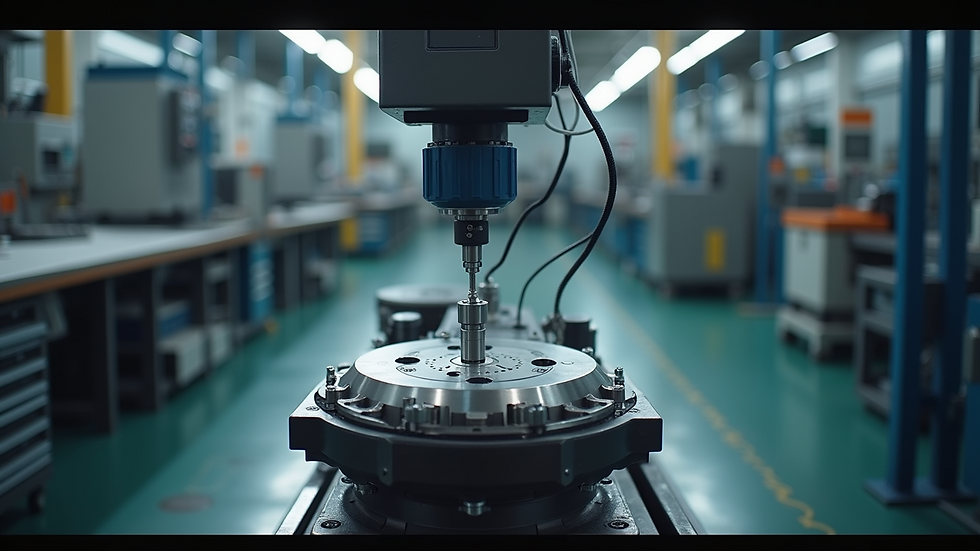
Precision machining techniques are widely used across various industries. Here are some practical examples:
Automotive Industry: Manufacturing engine parts, transmission components, and custom car parts with tight tolerances.
Aerospace: Producing lightweight, high-strength components such as turbine blades and structural parts.
Medical Devices: Creating implants, surgical instruments, and diagnostic equipment with exact specifications.
Electronics: Fabricating housings, connectors, and heat sinks for electronic devices.
Energy Sector: Machining parts for turbines, pumps, and valves used in oil, gas, and renewable energy systems.
Each application demands specific precision levels and material considerations, making the choice of machining techniques critical to success.
How to Choose the Right Precision Machining Partner
Selecting a machining partner can significantly impact your project's success. Here are some tips to find the right provider:
Experience and Expertise: Look for companies with a proven track record in your industry.
Technology and Equipment: Ensure they use up-to-date machines and software.
Quality Assurance: Check for certifications like ISO 9001 and robust inspection processes.
Customer Support: Choose a partner who communicates clearly and offers technical assistance.
Flexibility and Scalability: The ability to handle small prototypes and large production runs is valuable.
For those seeking reliable services, exploring options like cnc machining providers can offer access to advanced capabilities and expert support.
Future Trends in Precision Machining Techniques
The field of precision machining is continuously evolving. Emerging trends include:
Integration of Artificial Intelligence: AI-driven systems can optimize machining parameters in real-time.
Additive Manufacturing Hybridization: Combining CNC machining with 3D printing for complex parts.
Sustainable Practices: Using eco-friendly materials and reducing energy consumption.
Enhanced Material Science: Machining new alloys and composites with superior properties.
Staying informed about these trends can help manufacturers maintain a competitive edge and improve operational efficiency.
By embracing precision machining techniques and leveraging modern technology, manufacturers can significantly enhance their efficiency and product quality. Whether producing intricate aerospace components or high-volume automotive parts, the right approach to machining can drive success in today's demanding market.


Comments